I genuinely cannot remember where I first discovered harissa. I want to say it was at a foodie friend's place when she made this whole Ethiopian feast one evening. I'd never really had Ethiopian food before and it was absolutely delicious.
Though now that I think about it... does Ethiopian cuisine even use harissa like that? Maybe not. So honestly, who knows. Memory is unreliable.
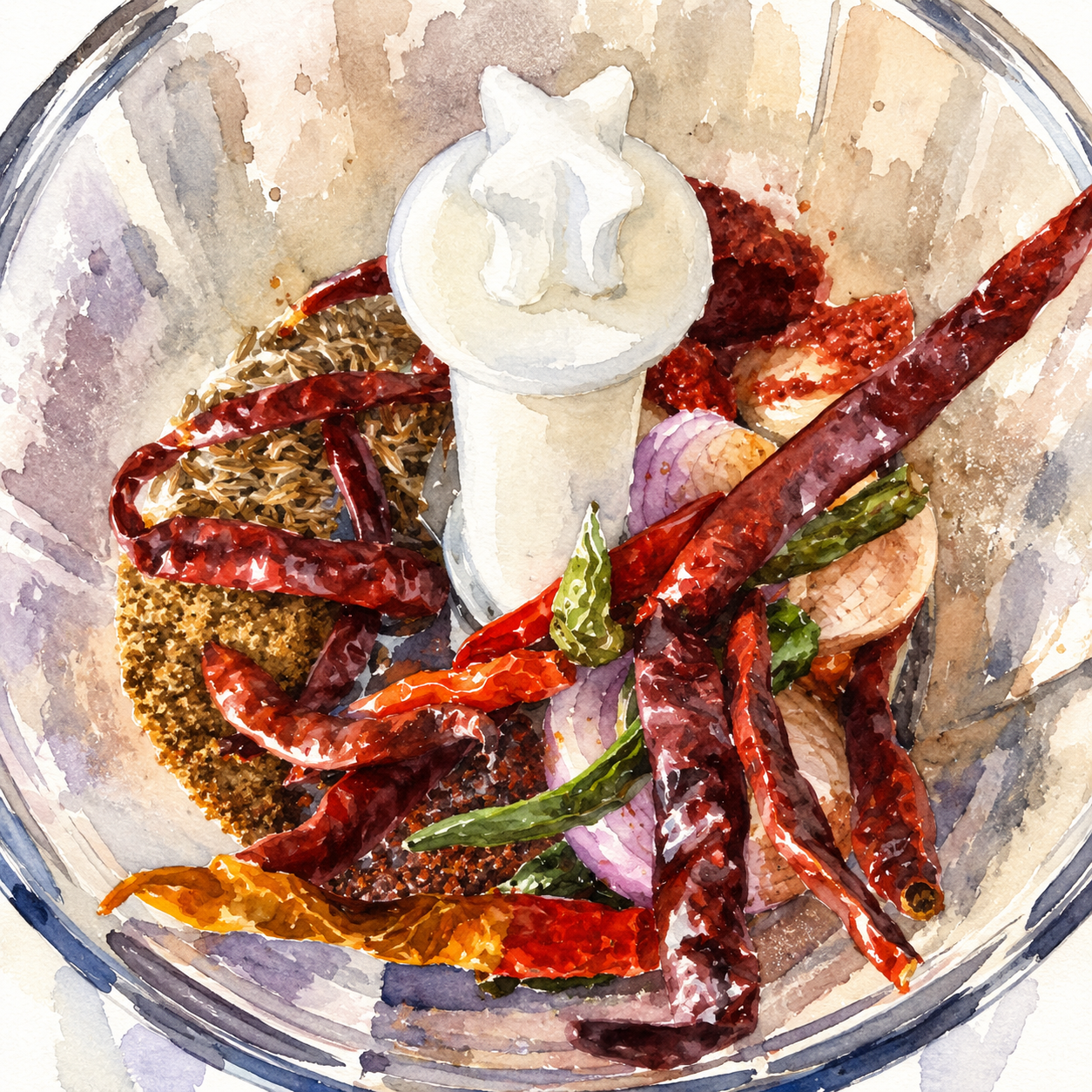
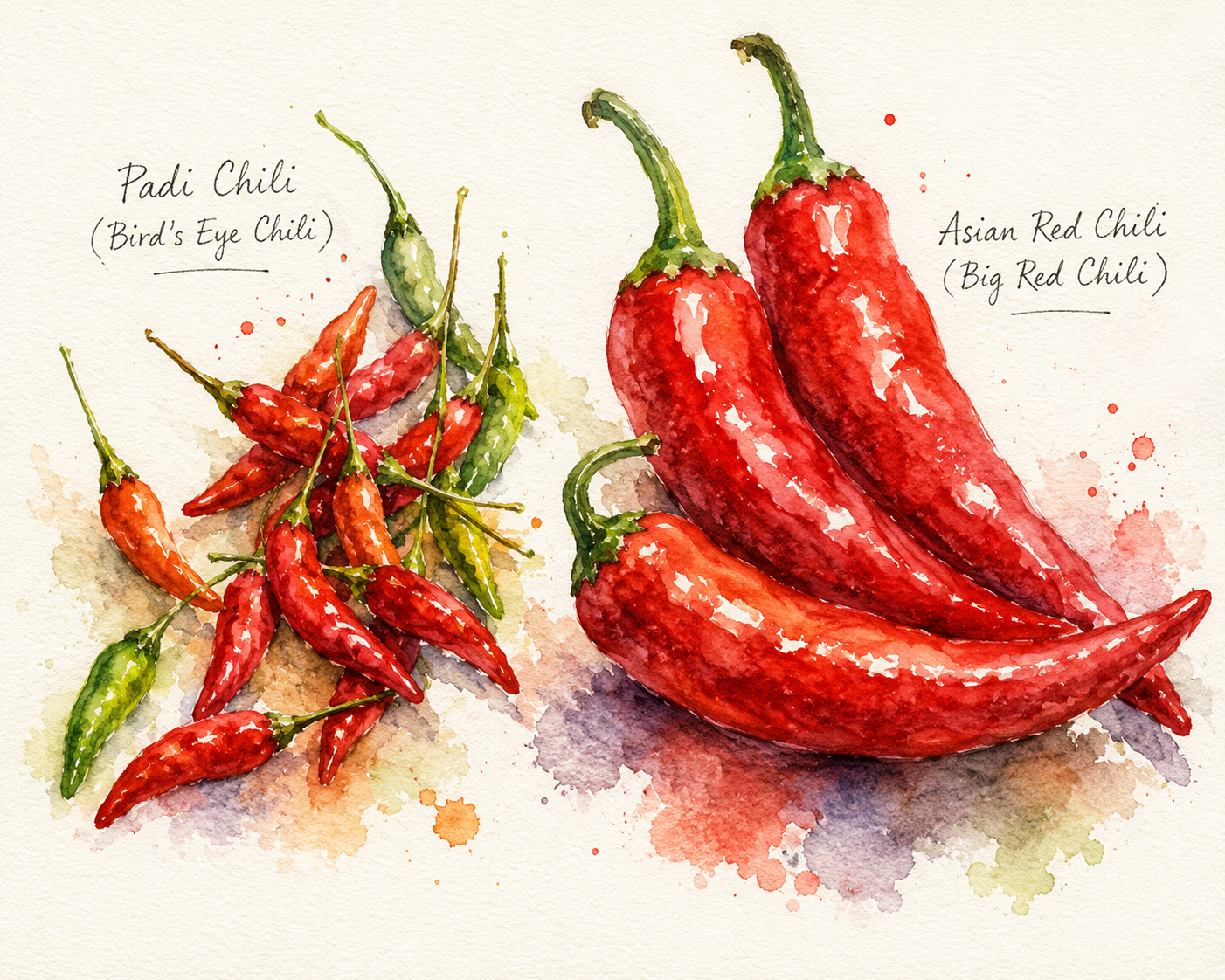
Either way, somewhere along the line, harissa entered my life and never left. I started with a recipe online that called for dried New Mexico chillies and immediately had the very Singaporean reaction of: Absolutely not. What am I supposed to do, run around this island hunting specialty Mexican chillies? So I did what I always do. Adapt. Dried Indian Guntur chillies. Thai bird's eye chillies. Done. And honestly? It works beautifully.
Once you make harissa once or twice, you realise the exact chilli itself matters slightly less than understanding your own spice tolerance. You make a batch. Your face melts off slightly. You recalibrate next time. Or not. Personally, I like mine properly spicy. I never de-seed the chillies because I enjoy a little danger in my condiments apparently.
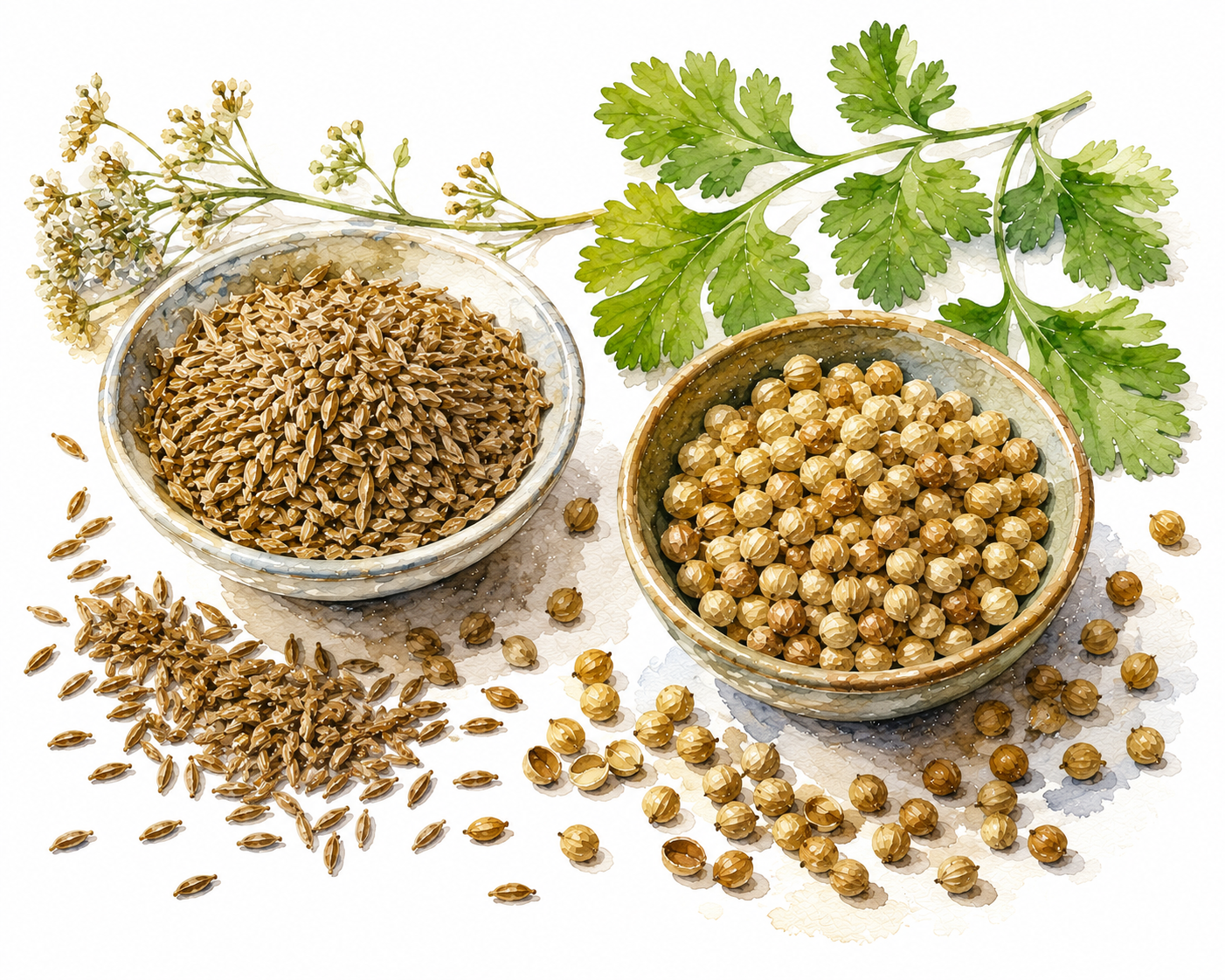
The other thing I changed was the texture. A lot of recipes use powdered spices for a smoother harissa, but I actually like using whole cumin, coriander, fennel, and caraway seeds because I enjoy that slightly coarse texture. It feels more rustic and alive somehow.
Usually once I make a batch, I store it in a jar with a thin layer of olive oil on top. It creates this little protective seal situation and helps it keep better in the fridge. Or you can portion and freeze it if you're feeling organised. Which I usually am not.
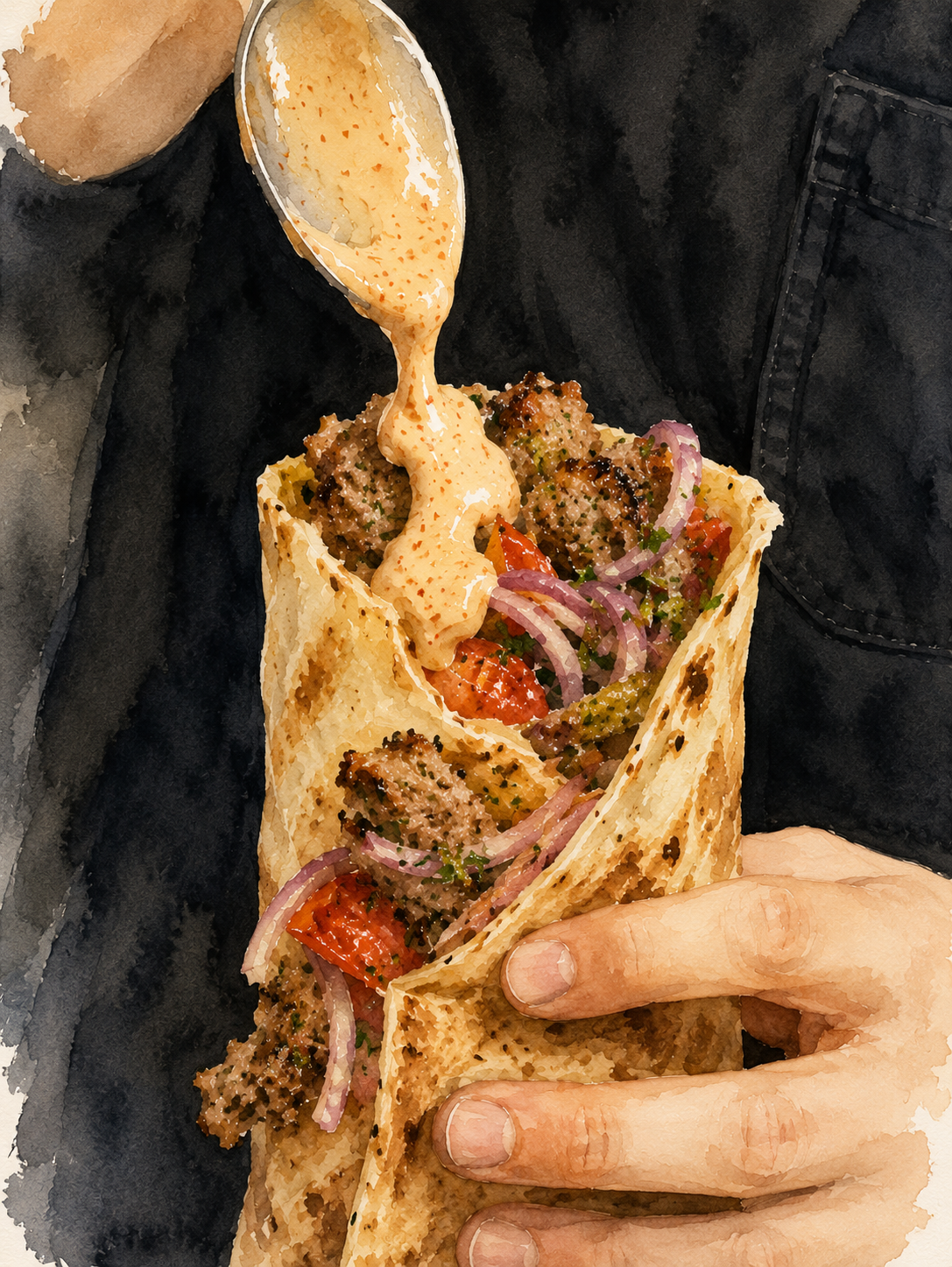
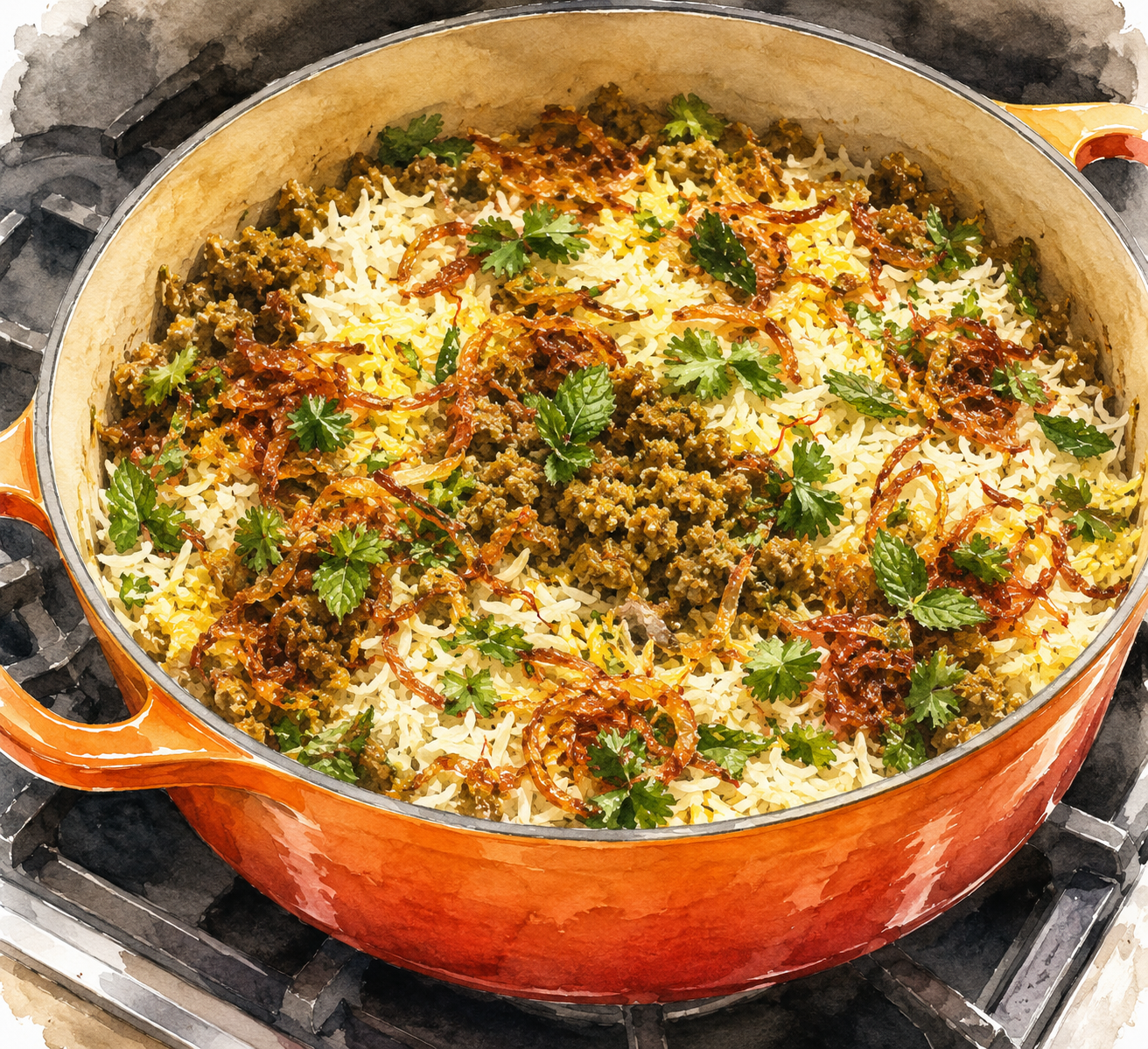
Also: Harissa, Tomato & Cheese Crostini, Lamb Kefta Wraps
Ingredients
- 10 dried mild-to-medium dried chillies
- 7 fresh chilli padi
- 1 tbsp cumin seeds
- 2 tsp coriander seeds
- 1 tsp caraway seeds
- 1 tsp fennel seeds
- 4 cloves garlic, minced
- Small piece onion, roughly chopped
- 1½ tsp smoked paprika
- 1 tsp sea salt
- 2 tbsp lemon juice
- 1 tbsp white wine vinegar or apple cider vinegar
- 1 tbsp tomato paste
- ¼ cup olive oil
Method
- Add the dried chillies to a bowl and cover with hot water. Let them soak for about 15 to 20 minutes until softened.
- If using whole spices, toast them in a dry pan until fragrant. Add to a blender or mortar and pestle and pulse slightly.
- Add the garlic, onion, smoked paprika, salt, lemon juice, vinegar, and tomato paste.
- Drain the chillies and remove stems and seeds if desired. Add the chillies into the blender.
- Blend everything into a thick paste. Slowly drizzle in the olive oil while blending until the harissa reaches the consistency you like.
- Taste and adjust: more lemon for brightness, more tomato paste for depth, more olive oil if it feels too aggressive.
- Transfer to a clean jar and top with a thin layer of olive oil before refrigerating.
Whole spices give a more textured, rustic harissa. Powdered spices will give you a smoother paste.
Toasting the spices gives deeper flavour, but lazy blender versions still work.
Onion is not traditional in every harissa recipe, but I like the extra body and depth it adds.
You can freeze harissa in portions very easily.
If the harissa ends up too spicy, mellow it with yogurt, labneh, tahini, cheese, or cream rather than panicking immediately.
I usually substitute dried Indian Guntur chillies and dried Thai bird's eye chillies. It works beautifully.
You'll figure out your preferred spice level after making it once. Either reduce the number of chillies next time, de-seed them, or fully embrace the chaos.
Harissa is basically controlled chilli chaos balanced with acid, spice, and fat. The dried chillies bring heat, smokiness, sweetness, and depth depending on which varieties you use.
Cumin, coriander, fennel, and caraway create warmth and complexity underneath the spice, while garlic and onion make the paste feel savoury and rounded rather than just aggressively hot.
Tomato paste gives body and umami, while lemon juice and vinegar brighten everything up and stop the paste from tasting muddy. And olive oil softens the edges of the spice while helping preserve the harissa in the fridge.
In honestly everything: spread on sourdough toast with cheese and tomatoes, mixed into shakshuka, stirred into scrambled eggs, mixed with yogurt or labneh, spooned into soups and stews, rubbed onto grilled chicken, added into seafood dishes, mixed into cream sauces.
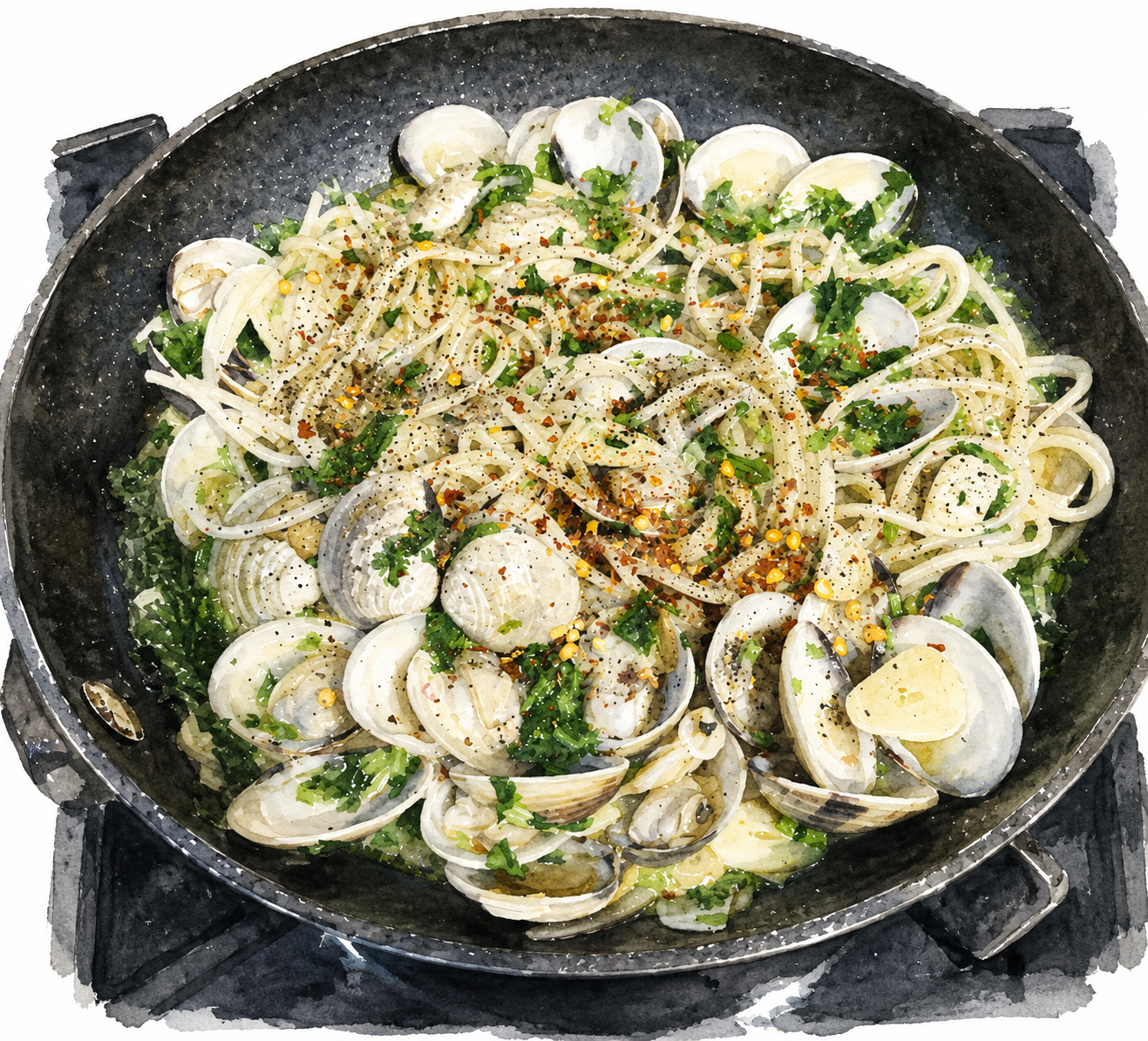
One of my favourite accidental discoveries was harissa in a seafood situation — a little harissa, extra olive oil, fish, mussels, prawns, maybe a splash of cream. Suddenly you have this spicy vaguely Mediterranean situation. Absolutely delicious.
I might try roasting the onion first for extra sweetness and depth. Or maybe experiment with smoked dried chillies one day for something darker and moodier.
New recipes in your inbox
Subscribe and I'll let you know when a new recipe goes up.